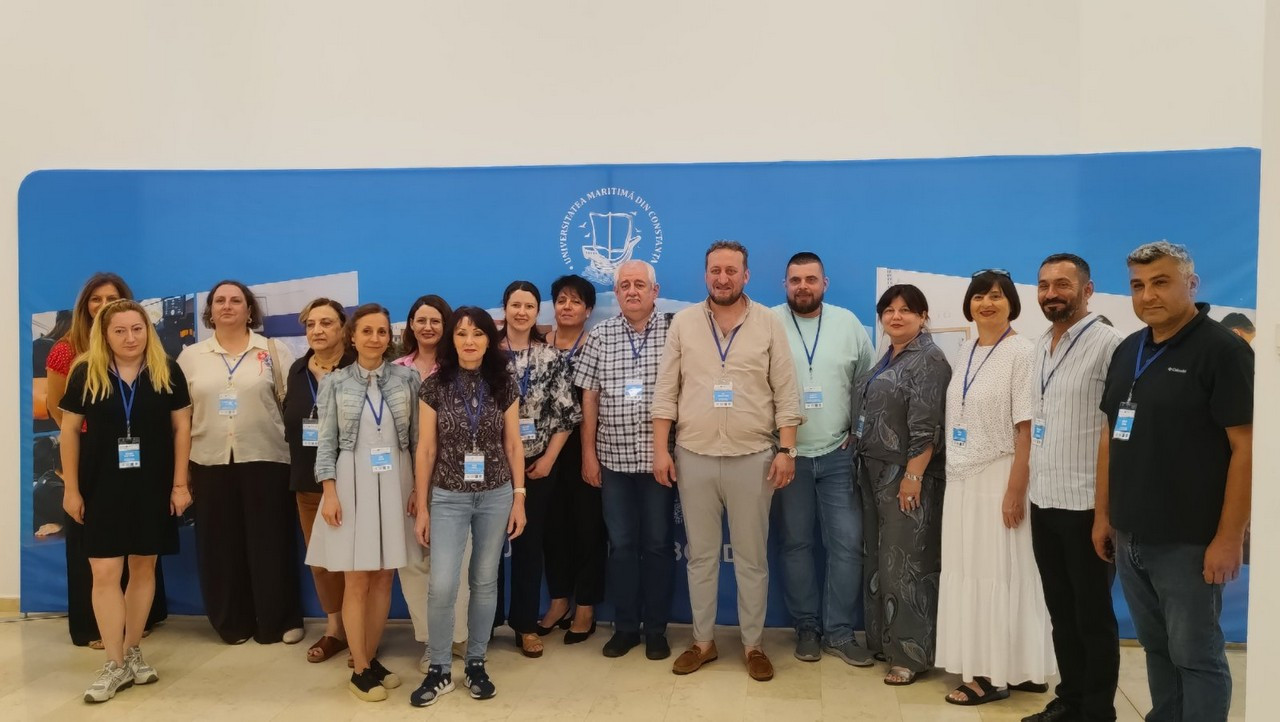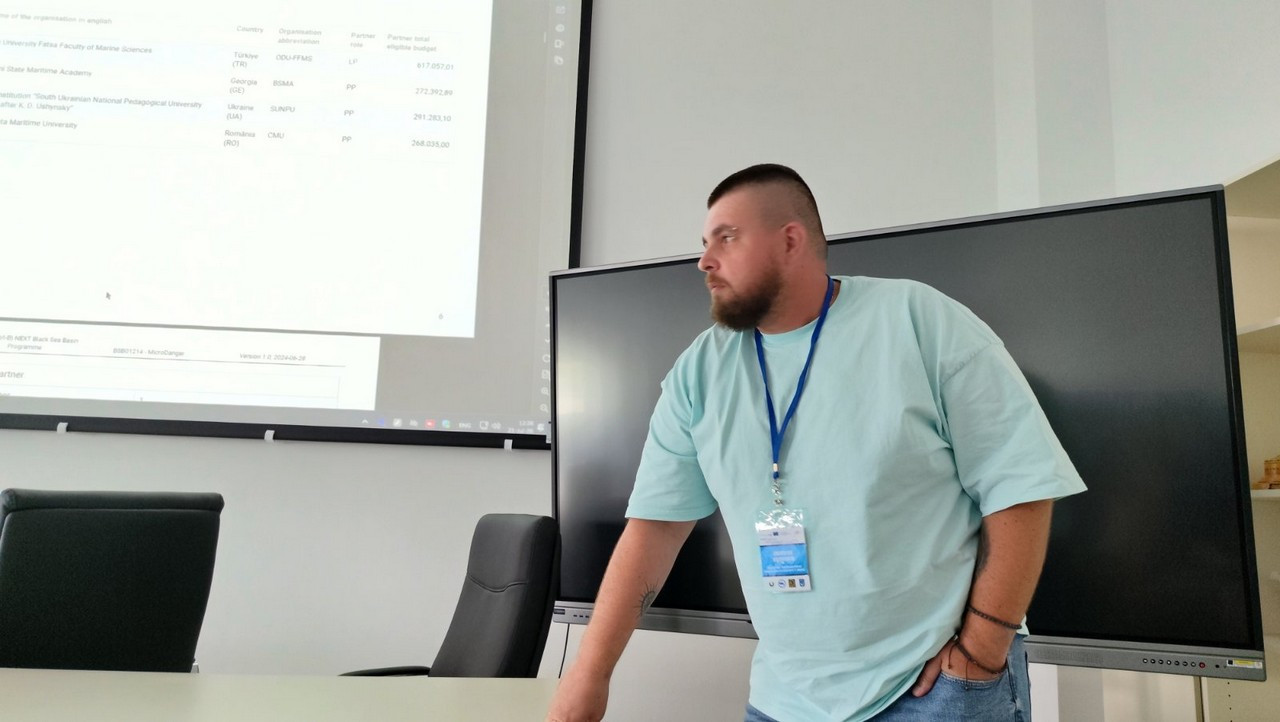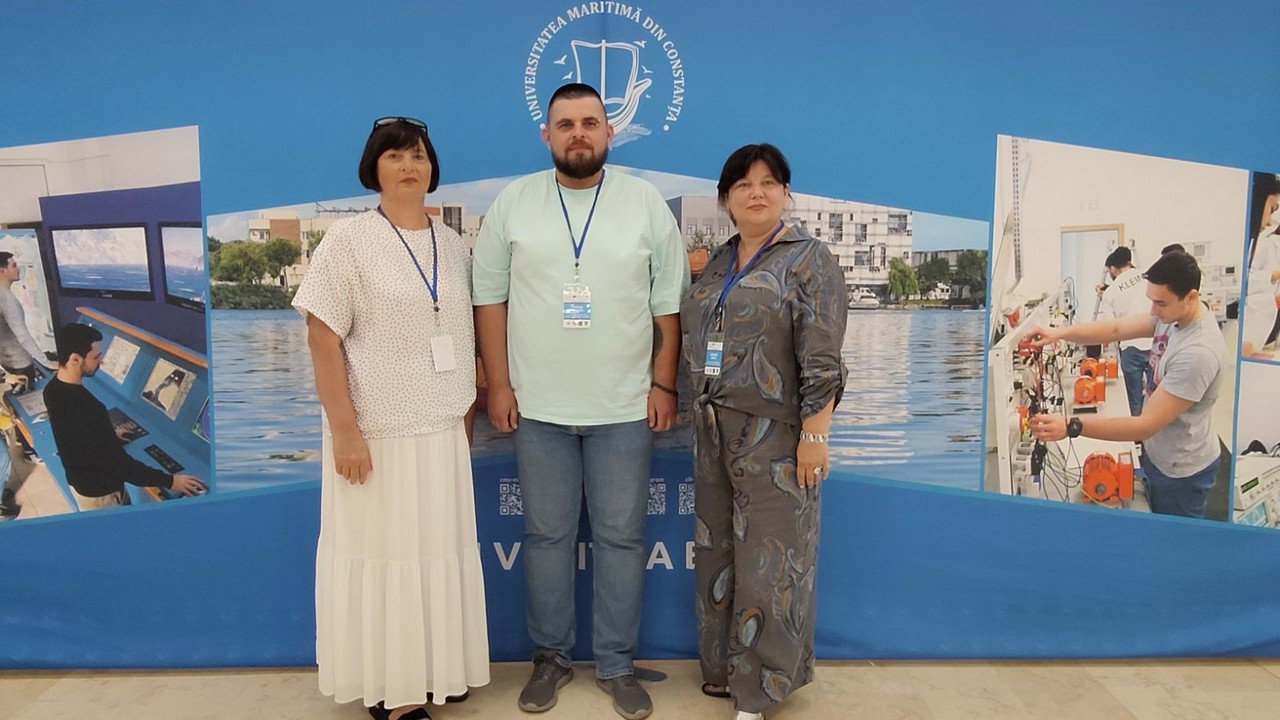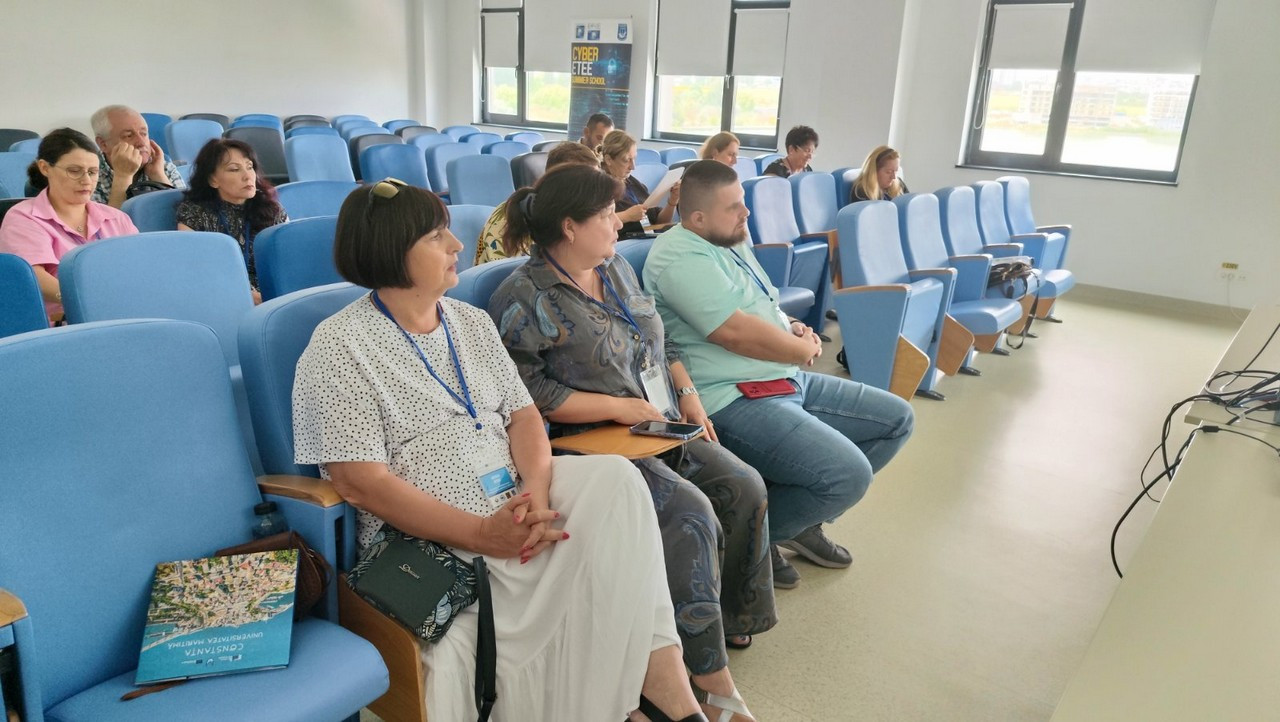


On July 21, 2026, the second working day of the seminar was held at the Maritime University of Constanta, dedicated to management coordination, refinement of the scientific methodology, procurement and budget control, as well as detailed planning of the next period of project implementation.
The work began with a Management Committee meeting, during which the participants assessed the actual progress of the project in accordance with the approved work plan. The division of responsibilities between partners, deadlines for completing tasks, internal communication procedures and the procedure for preparing interim reports were reviewed. The risk register was separately updated and corrective and preventive measures necessary to prevent delays in subsequent periods were identified.
The technical session dedicated to the standardization of research methodology was extremely important. Scientific coordinators and representatives of laboratory teams clarified the protocols for sampling and processing, agreed on a common coding system for samples and data sets, as well as the principles for checking, storing and sharing results. The coordination of common procedures is critical for the project, as the research is being carried out simultaneously in several countries, and the data obtained must be comparable, scientifically sound and suitable for joint analysis.
The representatives of the partner universities presented the specifics of conducting field research in their countries. Access to coastal areas, the need to obtain permits, interaction with ports, fishing industry, aquaculture farms, the tourism sector and other stakeholders were discussed. The partners also informed about the available laboratory capabilities and operational difficulties that may affect the timing and quality of research.
During the Steering Committee meeting, significant attention was paid to procurement, budget use and cost forecasting for the next reporting period. The participants reviewed procurement plans and prepared reports, identified documents that require additional approval or clarification, and discussed possible changes necessary to ensure the continuous implementation of the project.
The next important task was planning future activities. The consortium discussed the completion of the development of the questionnaires on the level of public awareness, the procedure for their ethical review, the preparation of educational and educational materials, the organization of national events and the involvement of representatives of target groups. The preparatory steps for the first Interaction Day and the next workshop were also determined.
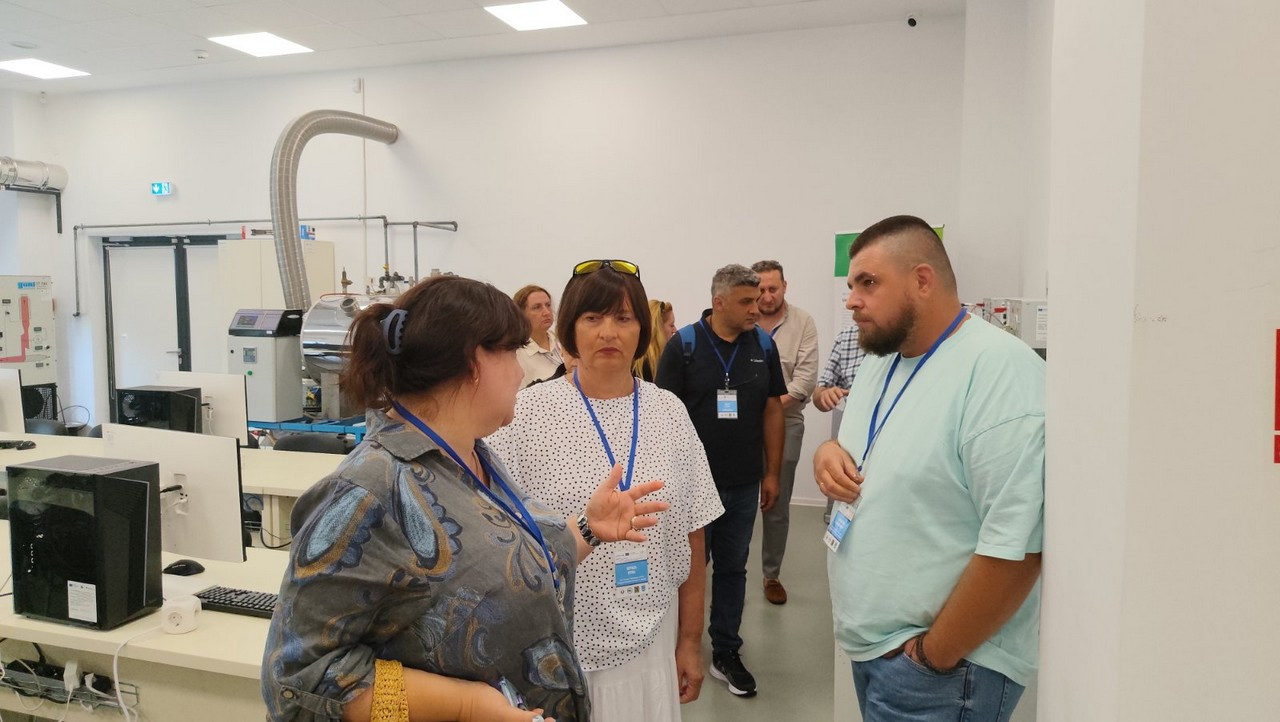
During the practical part, the participants got acquainted with the laboratory base of the Maritime University of Constanta and the possibilities of using the available analytical equipment. Some sample processing procedures and measures to prevent their contamination during laboratory work were demonstrated. The practical discussion allowed the partners to compare their own technical capabilities and better coordinate further research procedures.
At the end of the working day, the coordinators confirmed the list of decisions made, responsible executors and deadlines for completing the tasks. The format for preparing the report and the protocol of the workshop, the procedure for holding the next online meeting and the main guidelines for the future transnational event were agreed.
Two days of intense work demonstrated that the MicroDanger project is a complex international initiative that combines scientific research, laboratory work, resource management, financial control, procurement, digital solutions, educational activities and cooperation with numerous stakeholders. Behind each individual result are long professional discussions, careful preparation of documents, coordination of methodologies and constant coordination between the four countries. It is such systematic and responsible work that creates the prerequisites for obtaining reliable data on microplastic pollution of the Black Sea and preparing practical solutions to protect its ecosystem.