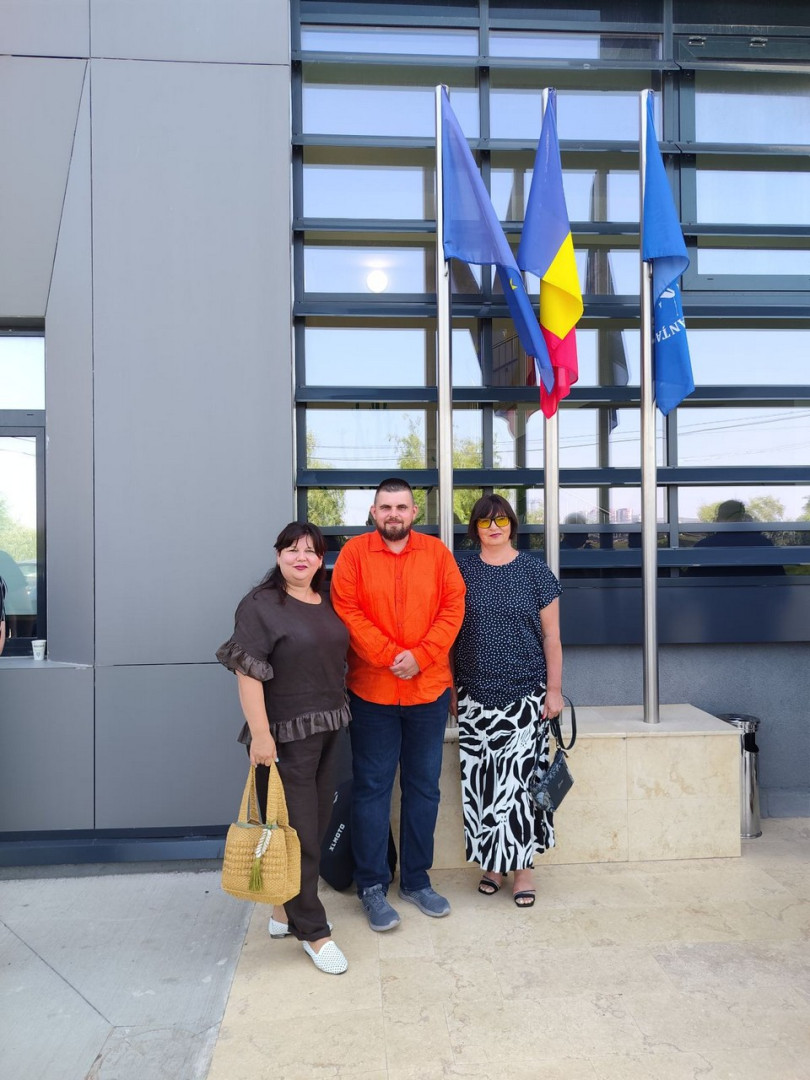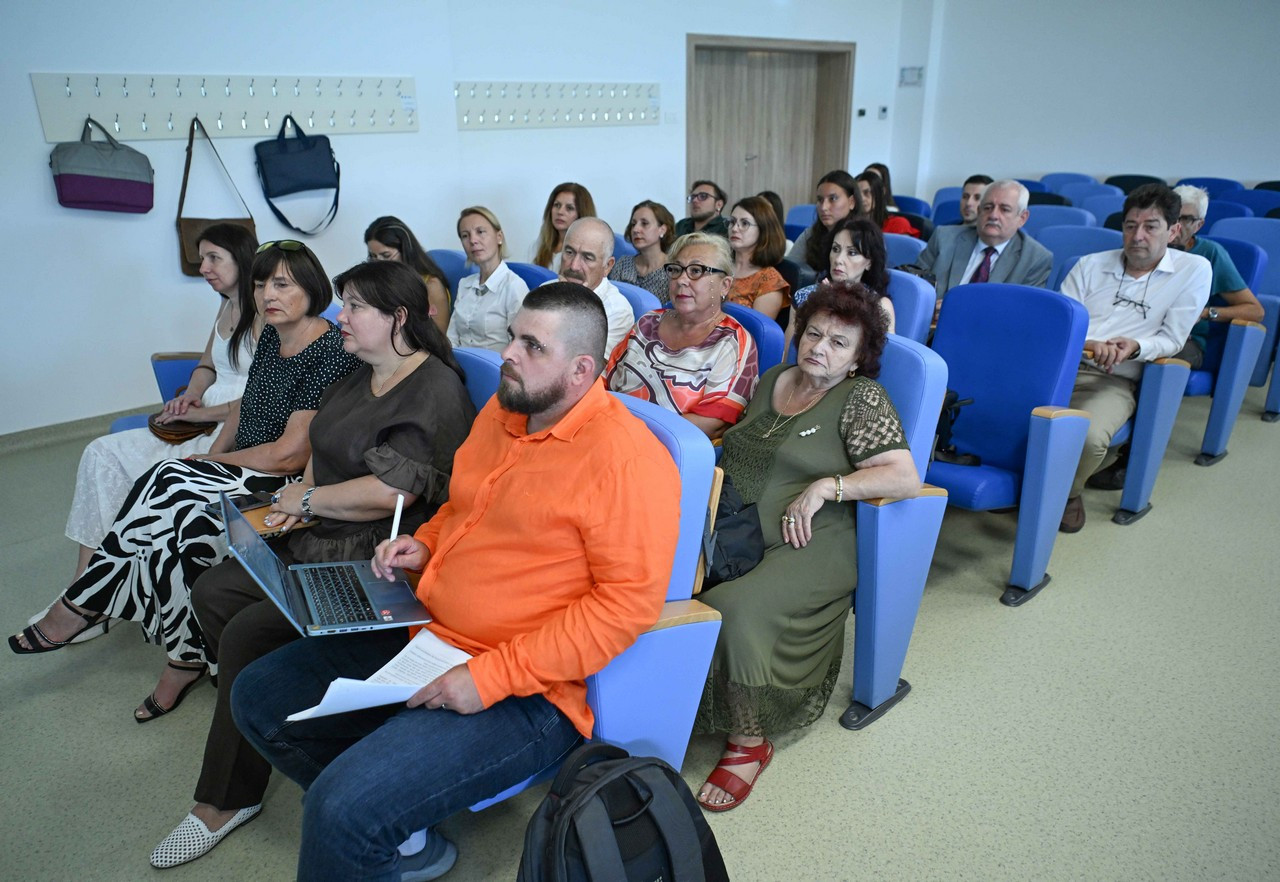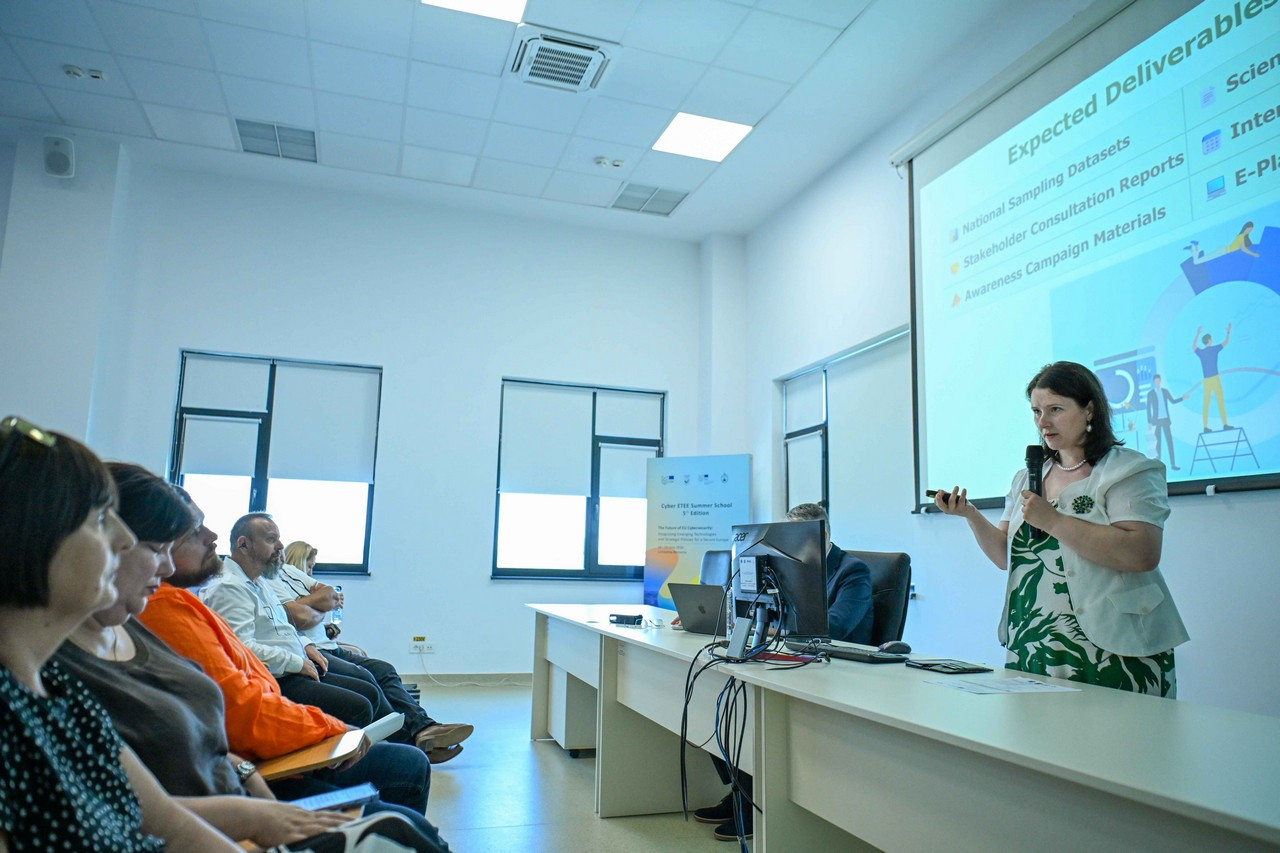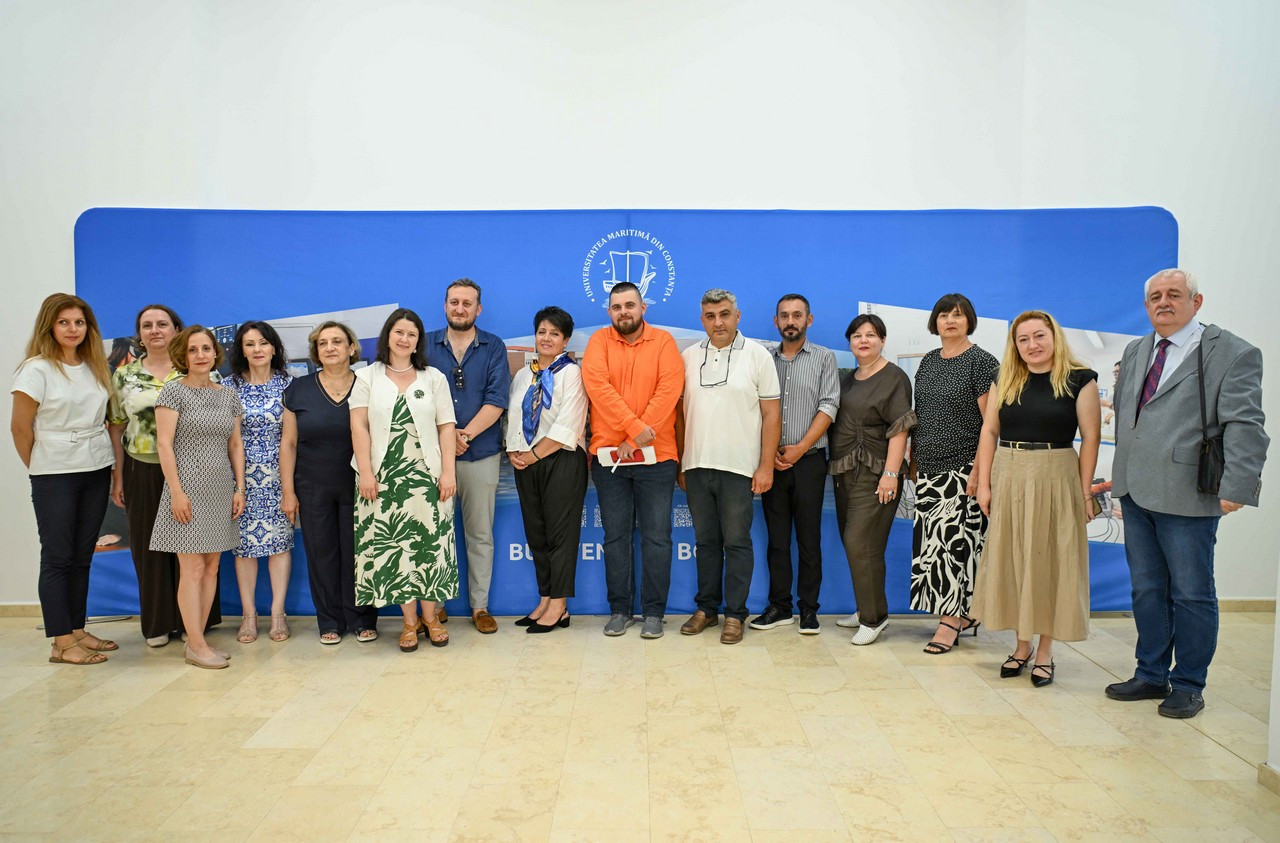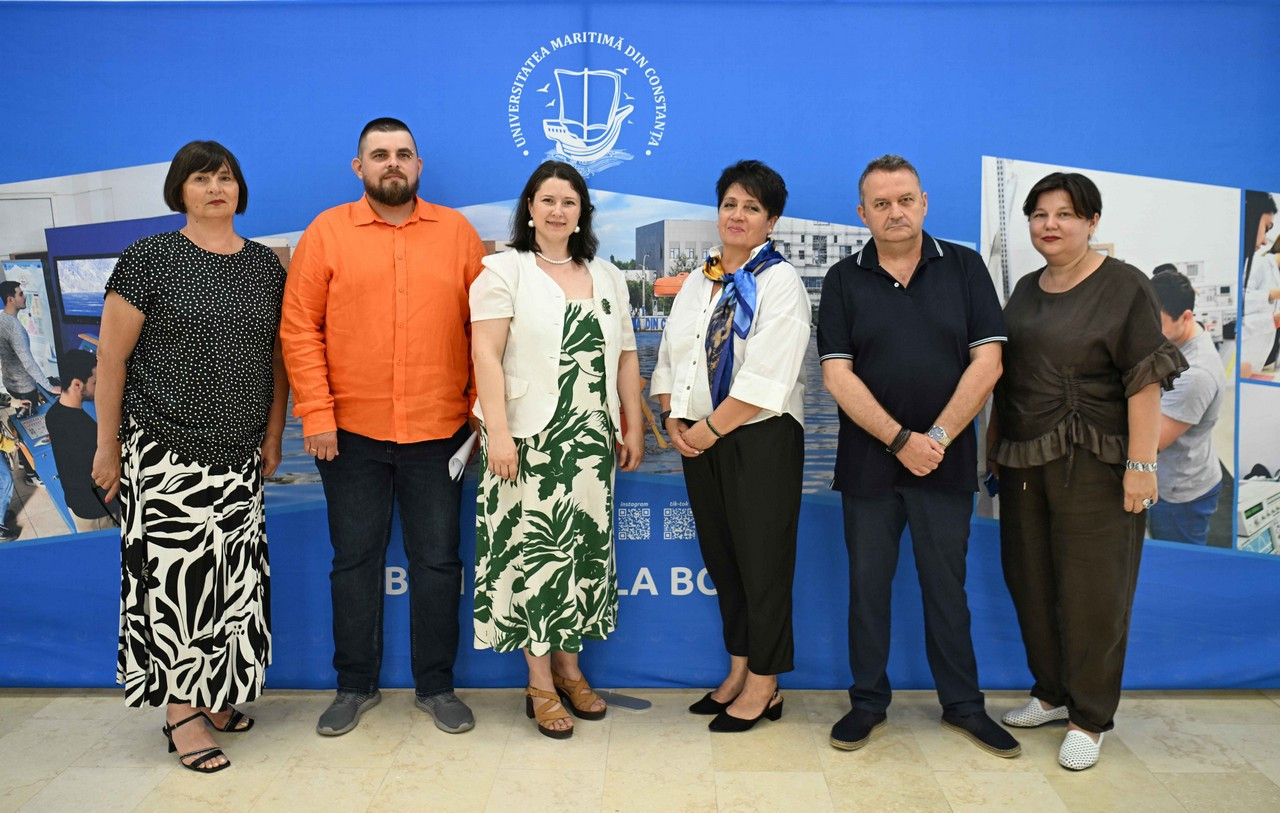


The event brought together representatives of universities from Turkey, Georgia, Ukraine and Romania, who are working together to study the problem of microplastic pollution in the Black Sea, improve methods for its detection and increase environmental awareness of the population.
The working day began with the official opening with the participation of the leadership of the Maritime University of Constanta, the project coordinator and representatives of partner institutions. After welcoming speeches, the participants moved on to the analysis of the decisions made during the kick-off meeting, checking the implementation of previous agreements and determining the expected results of the seminar.
A significant part of the work was devoted to the presentations of the partners. Each institution reported on the completed technical and administrative tasks, the compliance of the actual progress with the approved calendar plan, the achieved results, delays, risks and necessary corrective measures. The Ukrainian team was represented by: Professor of the Department of Educational Management and Public Administration Natalia Chernenko; Associate Professor of the Department of General and Differential Psychology Iryna Brynza; Project Manager, Associate Professor of the Department of Applied Mathematics and Informatics Volodymyr Chernykh.
A separate large block concerned the first reporting period. The participants reviewed in detail the prepared technical materials and supporting documents, financial reporting, eligibility of costs, audit requirements, the status of entering information into the JEMS system, as well as the deadlines for submitting missing documents. Such work required maximum attention to detail, since the implementation of an international project involves not only achieving scientific results, but also strict compliance with the financial, administrative and procedural requirements of the Interreg NEXT Black Sea Basin program.
No less intense was the discussion of the field campaign for sampling seawater and sand. The partners agreed on national research schedules, sampling locations, labeling procedures, storage and transportation of materials. Particular attention was paid to preventing accidental contamination of samples, ensuring the quality of research, using common data recording forms and further exchange of laboratory analysis results.
During the Steering Committee meeting, participants analyzed the status of the procurement of laboratory and field equipment, tools, and consumables. The compliance of the purchased equipment with the common methodology, existing procedural delays, gaps in documentation, and possible ways to eliminate them were considered. This area is particularly complex, as the effectiveness of research directly depends on the timely preparation of laboratories and the compatibility of equipment of all partners.
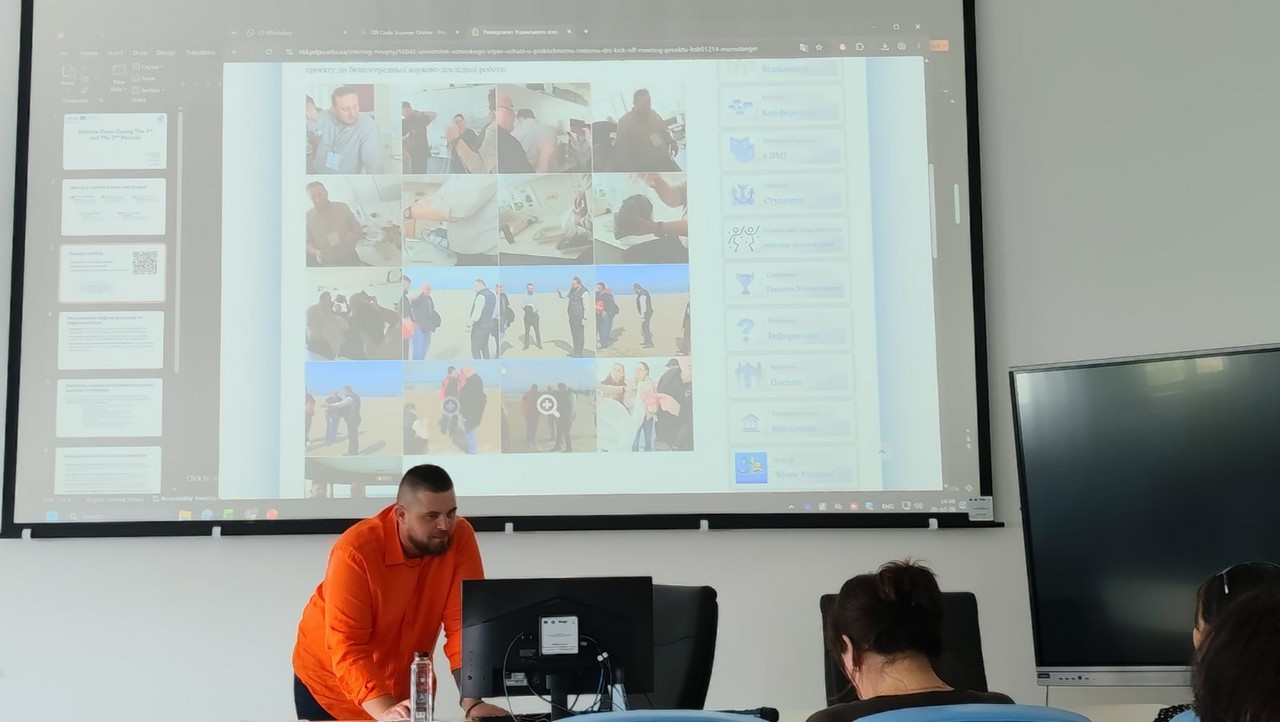
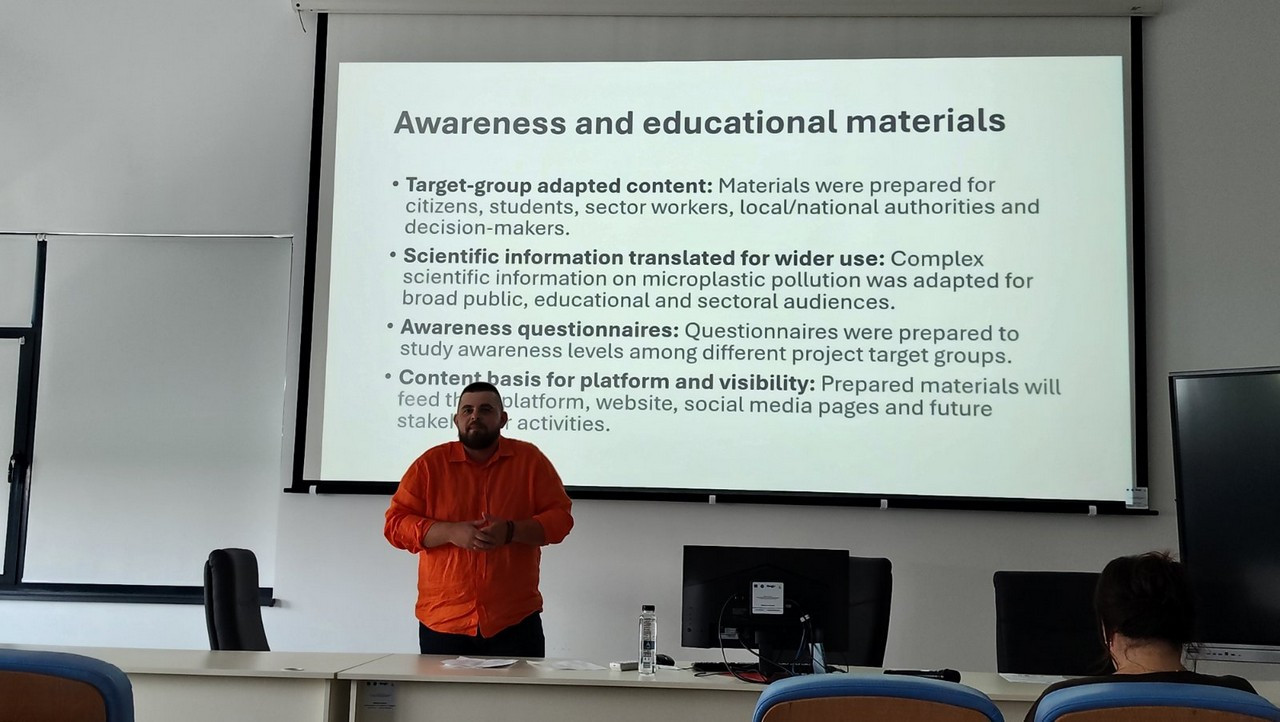
An important part of the first working day was the presentation by Volodymyr Chernykh, the coordinator of the Ukrainian team, dedicated to the concept of the website and electronic platform of the project. The participants considered the proposed structure of the resource, its functionality, user categories, principles of multilingual content, and the procedure for providing materials by partners. The stages of further development, testing, and updating the platform were also determined.
The final block of the day was dedicated to communication, visibility, and dissemination of project results. The partners agreed on approaches to the preparation of news, social media and media materials, discussed the requirements of the European Union and the Interreg program for visual identity, and planned the development of questionnaires, training, information and educational materials.
The first day of the workshop demonstrated the high level of responsibility of the partners and the significant amount of work required for the implementation of the project. The combination of scientific research, international coordination, financial reporting, procurement, digital development and communication activities makes MicroDanger a complex initiative, the successful implementation of which requires constant interaction, professional coherence and hard work of the entire consortium.